October 27, 2026 | Hart Senate Office Building | Washington, D.C.
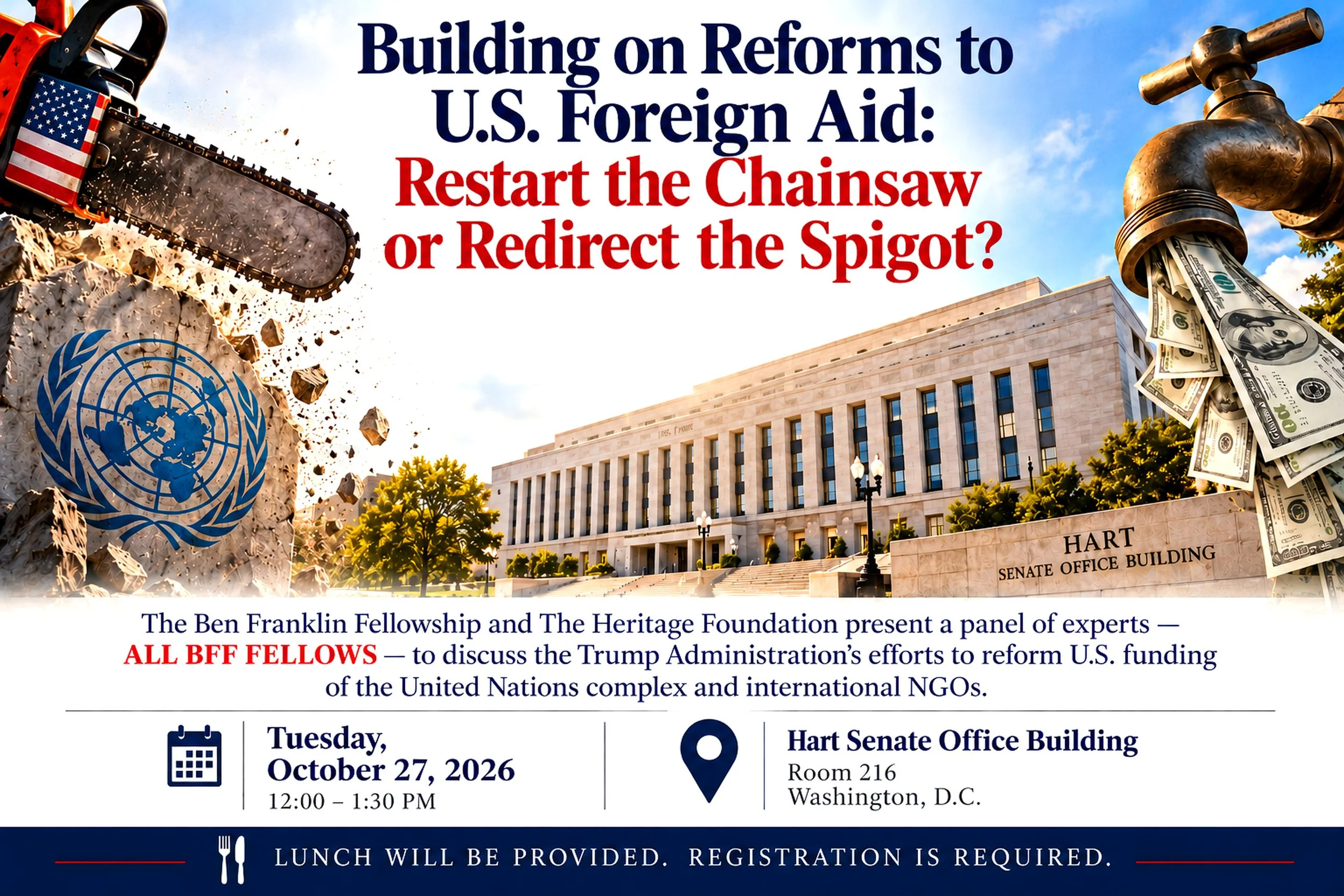
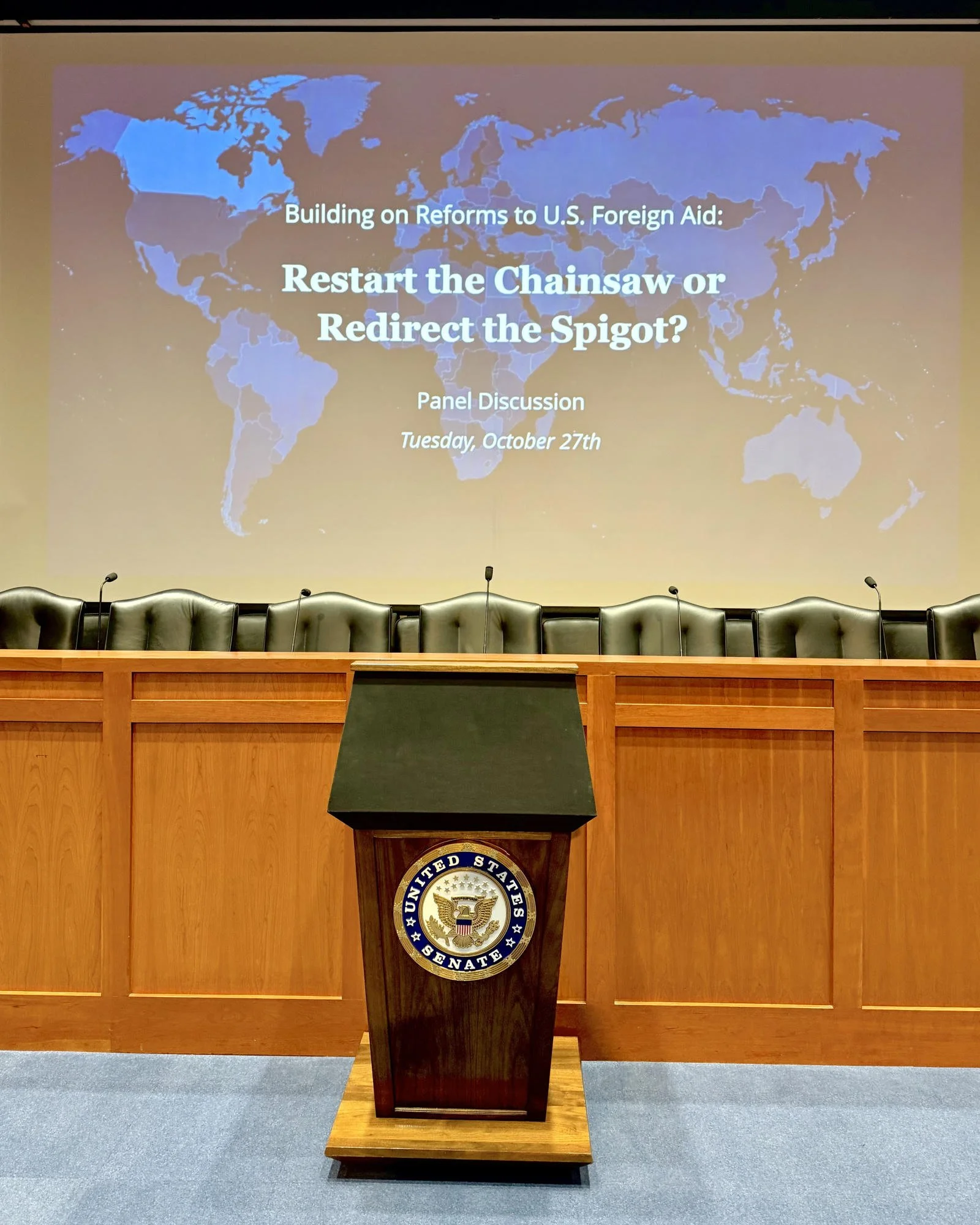
On October 27, The Ben Franklin Fellowship and The Heritage Foundation convened a timely policy discussion at the Hart Senate Office Building examining the future of American foreign assistance following the Trump administration's sweeping restructuring of the U.S. Agency for International Development (USAID).
Titled “Reforming U.S. Foreign Aid: Restart the Chainsaw or Redirect the Spigot?”, the program explored a fundamental question: Does dismantling USAID represent lasting reform, or will longstanding problems involving accountability, transparency, effectiveness, and institutional priorities simply continue through other government agencies and international organizations?
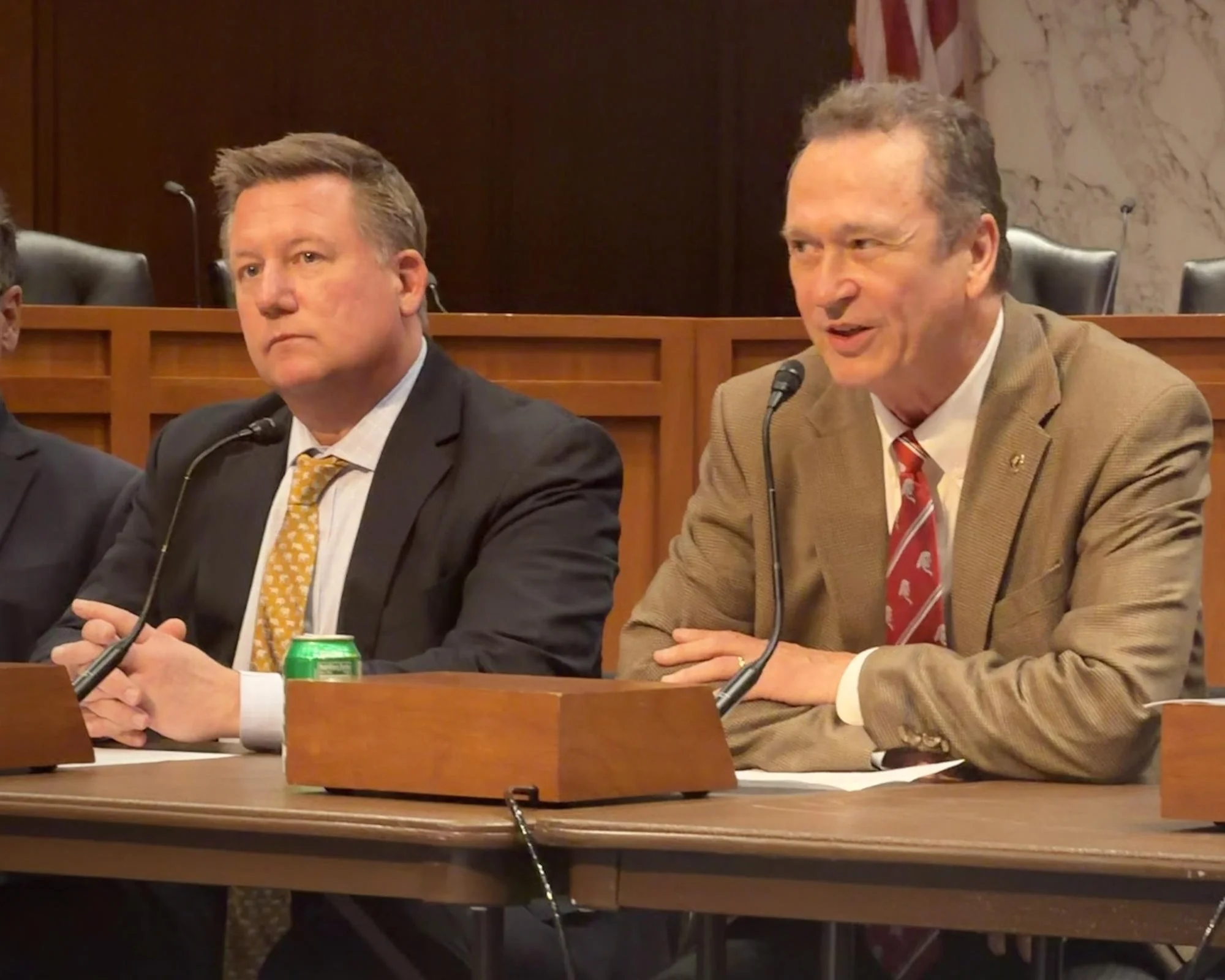
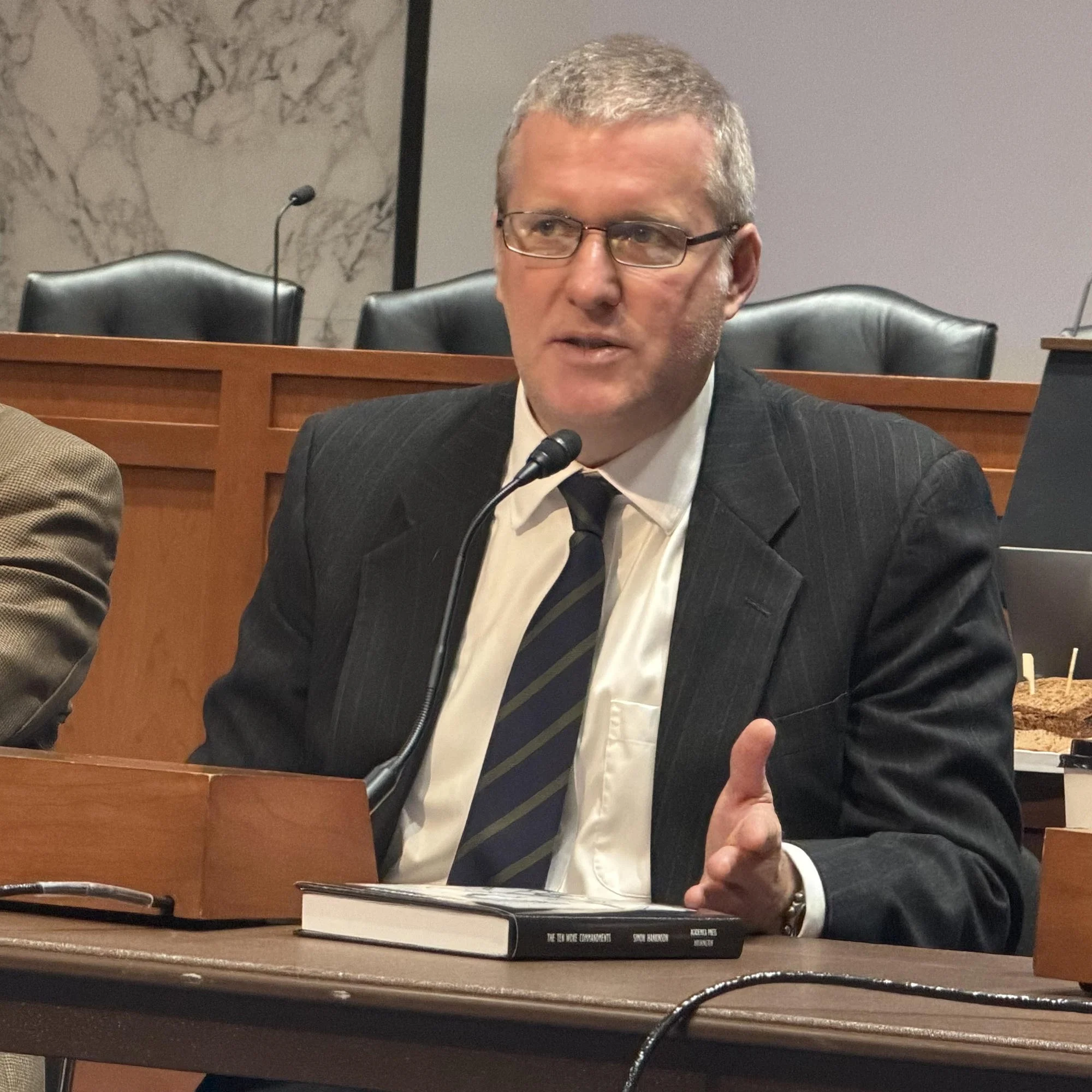
Moderated by BFF Chairman Phillip Linderman, the discussion featured four distinguished Ben Franklin Fellows: Dr. Emily Brearley, Simon Hankinson, Brett Schaefer, and Max Primorac. Drawing on their extensive experience in foreign policy, international development, immigration, and government oversight, the panelists examined the challenges and opportunities confronting American foreign assistance.
The discussion addressed several critical issues, including reforming the World Bank and other international financial institutions; strengthening oversight of U.S. taxpayer funding distributed through United Nations agencies and nongovernmental organizations; preventing foreign assistance from facilitating illegal immigration; and advancing more effective approaches to humanitarian relief, global health, trade, and private-sector investment.
Throughout the program, a central theme emerged: Restructuring the federal foreign-aid bureaucracy is only the beginning. Lasting reform requires a coherent strategy, measurable results, rigorous accountability, and a commitment to ensuring that American foreign assistance advances U.S. national interests.
The Ben Franklin Fellowship is pleased to share the following detailed notes from this important Capitol Hill discussion, highlighting the principal arguments, policy concerns, and recommendations presented by each of our four panelists.
The following notes summarize the presentations and policy recommendations of four BFF fellows: Dr. Emily Brearley, Simon Hankinson, Brett Schaefer, and Max Primorac.
Dr. Emily Brearley
Main argument: The foreign-aid system has longstanding structural problems, and simply shifting programs from USAID to the State Department will not fix them. She argues the U.S. needs to rethink what foreign assistance is actually capable of accomplishing.
Opens with development economist Albert Hirschman’s observation that essentially all development projects encounter serious problems. The meaningful distinction is whether projects successfully overcome those problems.
Criticizes former USAID personnel who have argued that dismantling USAID would lead to large numbers of deaths, particularly in Africa. She characterizes those claims as exaggerated.
Uses Charles Dickens’ Bleak House and the character Mrs. Jellyby as an analogy for what Dickens called “telescopic philanthropy,” caring intensely about distant populations while neglecting problems closer to home.
Describes a USAID project involving conflict between farmers and herders in Nigeria as an example of what she sees as Western development officials misunderstanding the deeper economic causes of problems in developing countries.
Argues that agricultural and industrial development, rather than relatively small aid interventions, is necessary to address underlying economic problems in places such as the Sahel.
Says a major reform focus should be the World Bank and other international financial institutions, rather than concentrating only on U.N. organizations such as OCHA. Half of US Aid goes to IFIs, and the World Bank is the apex predator with hundreds of billions in budget and trillions in influence.
Argues the U.S. possesses significant leverage over the World Bank through its financial contribution, voting power, influence over leadership, and other mechanisms.
Expresses particular concern about China’s influence at the World Bank, including Chinese representation in senior positions and procurement contracts.
Says she and Solution 42 presented Treasury officials with recommended reforms, including establishing a task force, but that Treasury rejected their suggestions.
Later argues that the World Bank is a much larger and more consequential target for reform than OCHA.
Rejects the argument that transferring foreign assistance responsibilities from USAID to State necessarily creates an expertise problem. In her view, USAID employees had expertise in administering USAID programs, which is not necessarily the same thing as producing successful development outcomes.
Supports the Trump administration's elimination of USAID but says she has not yet seen a coherent replacement strategy defining what the roughly $40 billion in remaining foreign-assistance spending should accomplish.
Advocates returning to “factory settings”: deciding what the U.S. government actually does well, identifying what developing countries want, and designing programs that can be transparently evaluated.
Bottom line: Brearley wants a fundamental rethink of U.S. development assistance, with significantly greater attention paid to reforming the World Bank and other international financial institutions.
Simon Hankinson
Main argument: U.S. foreign-assistance spending helped facilitate migration to the United States under the Biden administration, and taxpayer funds should not support organizations or programs that encourage illegal immigration.
Frames immigration policy as a broader ideological conflict between globalism and nationalism.
Contrasts the first Trump administration's immigration approach with Biden's:
Trump: “deter, detain, deport.”
Biden: what Hankinson calls “process, parole, punt.”
Argues the Biden administration used NGOs and international organizations as part of a migration system that facilitated migrants' movement toward and resettlement in the United States.
Points to organizations including UNHCR, the International Organization for Migration, UNRWA, UNICEF, the World Food Programme, Catholic organizations, and refugee-service NGOs as recipients of substantial U.S. funding.
Questions whether the U.S. government adequately controls how foreign NGOs spend taxpayer money.
Argues some religiously affiliated aid organizations have effectively become large institutional organizations dependent upon continued government funding rather than organizations reflecting the values of their associated faiths.
Says the Trump administration has achieved some success in changing the system but agrees with Brearley that he cannot identify a clear overall strategy.
Says his basic policy principle is straightforward: U.S. taxpayer money should not directly or indirectly facilitate illegal entry into the United States.
Specifically objects to taxpayer funding being used for migrants' transportation, food, health care, shelter, or assistance reaching the United States when those migrants subsequently file what he considers illegitimate asylum claims.
Bottom line: Hankinson's focus is immigration. He believes U.S.-funded international organizations and NGOs contributed to illegal migration under Biden, and he wants foreign-assistance policy explicitly designed to prevent taxpayer funds from facilitating it.
Brett Schaefer
Main argument: The administration's shift toward large grants to U.N. organizations, particularly OCHA, risks reducing direct U.S. control, oversight, transparency, and leverage over American foreign-assistance dollars.
Schaefer structures his argument around three questions:
What has the administration done with foreign assistance?
What does the shift toward large grants to organizations such as OCHA mean?
What oversight reforms are necessary?
On the post-USAID system:
Says that after USAID was dismantled, foreign-assistance responsibilities were consolidated into the State Department.
Congress continues appropriating money for development, humanitarian assistance, global health, and other foreign-aid purposes.
Argues State inherited USAID's funding responsibilities without inheriting equivalent capacity for emergency response, partner vetting, award management, field monitoring, and risk mitigation.
Says the result has been greater reliance on large grants, including grants to UNICEF, the World Food Programme, and particularly OCHA.
His concerns about OCHA:
Says routing money through OCHA diminishes direct American influence over where U.S. assistance ultimately goes.
Argues this is particularly problematic because OCHA subsequently directs funding to many of the same U.N. agencies and international NGOs that the administration previously criticized.
Says recipients therefore approach OCHA rather than the U.S. government for funding, reducing American leverage.
Argues existing arrangements provide insufficient access and information to U.S. inspectors general.
Criticizes a system in which OCHA determines which allegations of misuse are sufficiently credible to report to the U.S., saying that creates a conflict of interest.
Says OCHA's Accountability and Impact Teams can compile and analyze information but are not equivalent to independent inspectors general with investigative and enforcement authority.
Raises concerns about counterterrorism screening and differences between U.N. and U.S. terrorism designations.
His recommendations:
Schaefer calls for renegotiating the OCHA arrangement to require:
U.S.-standard counterterrorism screening.
U.S. investigative access.
Enforceable suspension and conditionality provisions.
Direct and prompt disclosure to the U.S. of allegations involving fraud, diversion, abuse, or terrorist connections.
U.N. cooperation with American information requests and independent investigations.
Visibility into subcontractors, subrecipients, and implementing partners.
He also advocates written agreements across U.N. organizations establishing American access to relevant records, personnel, and contractors when U.S. funds are involved.
Finally, he proposes preserving USAID's inspector-general expertise by establishing an inspector general specifically responsible for U.S. foreign assistance, regardless of whether that money is administered through State or another agency.
In his follow-up answer, Schaefer stresses that the issue extends beyond OCHA. He says U.N. organizations generally resist outside auditing in favor of their internal oversight structures. He considers those mechanisms insufficient substitutes for independent U.S. oversight.
He also distinguishes humanitarian assistance from development assistance. He supports the longstanding American practice of helping people facing humanitarian emergencies but argues humanitarian motives do not justify weak financial controls.
Bottom line: Schaefer is not arguing against humanitarian aid itself. His central concern is who controls U.S. aid dollars after they leave the government, who can investigate their use, and whether the United States retains sufficient leverage and visibility.
Max Primorac
Main argument: The foreign-aid establishment remains overwhelmingly ideologically opposed to the Trump administration, making bipartisan reform difficult. He nevertheless sees potential bipartisan agreement around humanitarian assistance, global health, and private-sector development.
Says he is pessimistic about rebuilding bipartisan consensus on foreign aid.
Claims political-donation data show the foreign-aid workforce has been overwhelmingly aligned with the political left.
Argues aid organizations must choose between operating as political/ideological movements and acting as partners implementing U.S. government humanitarian and development priorities.
Uses the Norwegian People's Aid dispute over Trump administration conditions as an example of an organization choosing ideological commitments over U.S. funding.
Strongly criticizes the OCHA funding arrangement, saying it lacks adequate conditions.
Criticizes OCHA leadership over positions involving abortion, gender/DEI policy, China, Iran, and Israel.
Disputes predictions from Bono, Bill Gates, UNAIDS, and others that reductions in U.S. foreign assistance would produce enormous increases in deaths.
Points to HIV/AIDS, earthquake response, and Ebola as examples that he believes undermine warnings issued after aid reductions.
Where he sees possible bipartisan agreement:
The United States should continue providing humanitarian assistance, but programs should have an exit strategy rather than becoming indefinite welfare systems.
U.S. global-health infrastructure remains important for responding to infectious-disease outbreaks.
Recipient governments should gradually assume greater ownership and financial responsibility for programs, including PEPFAR.
Development should increasingly emphasize private investment and trade rather than traditional aid.
Primorac identifies the U.S. International Development Finance Corporation (DFC) as his preferred vehicle for economic development. He argues attracting private capital creates more sustainable development and gives the U.S. and its allies an advantage over China's state-centered development model.
Bottom line: Primorac wants foreign assistance substantially reduced and restructured around temporary humanitarian relief, recipient-country ownership, global-health security, and private investment through DFC, rather than rebuilding USAID.
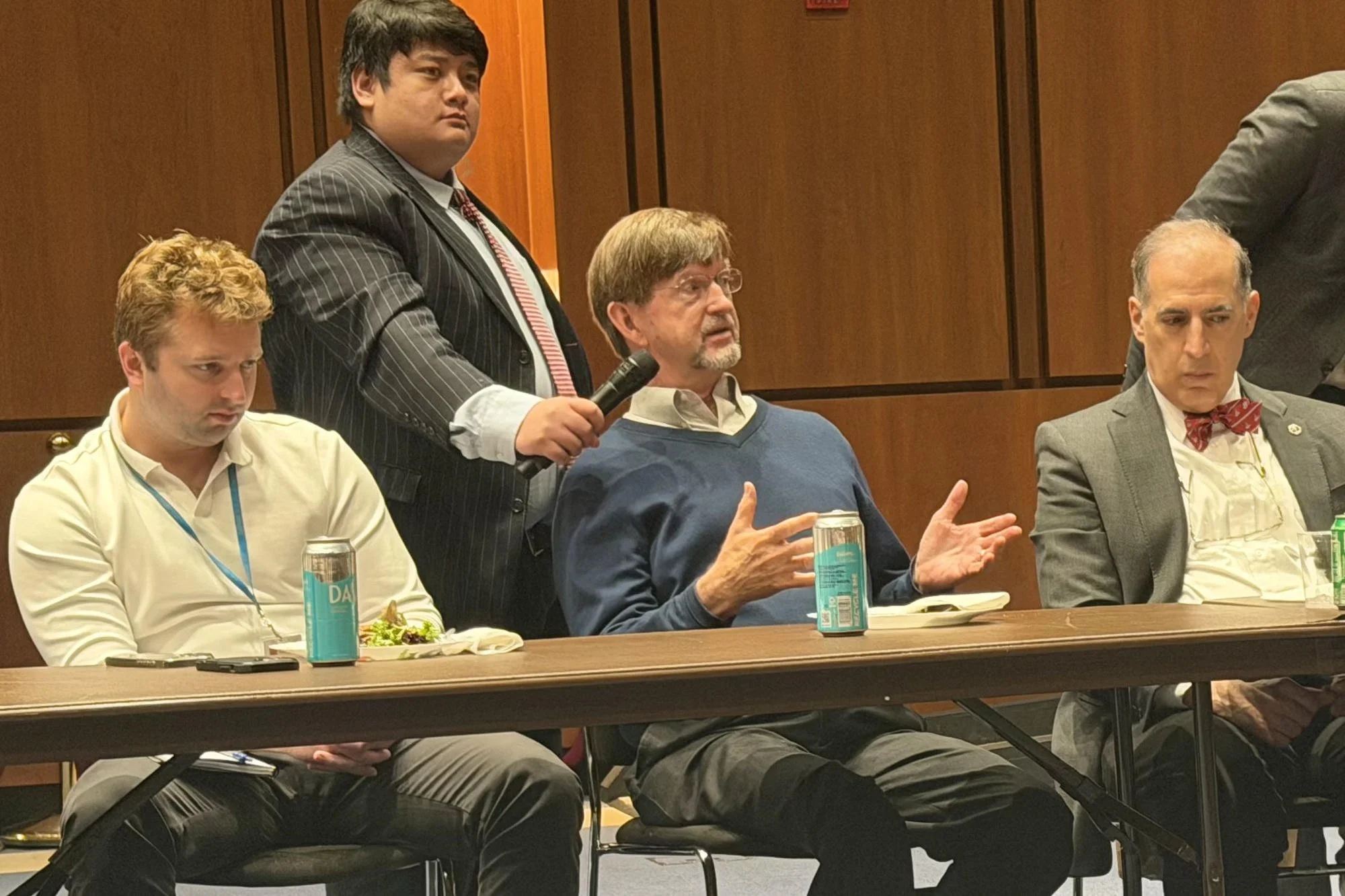
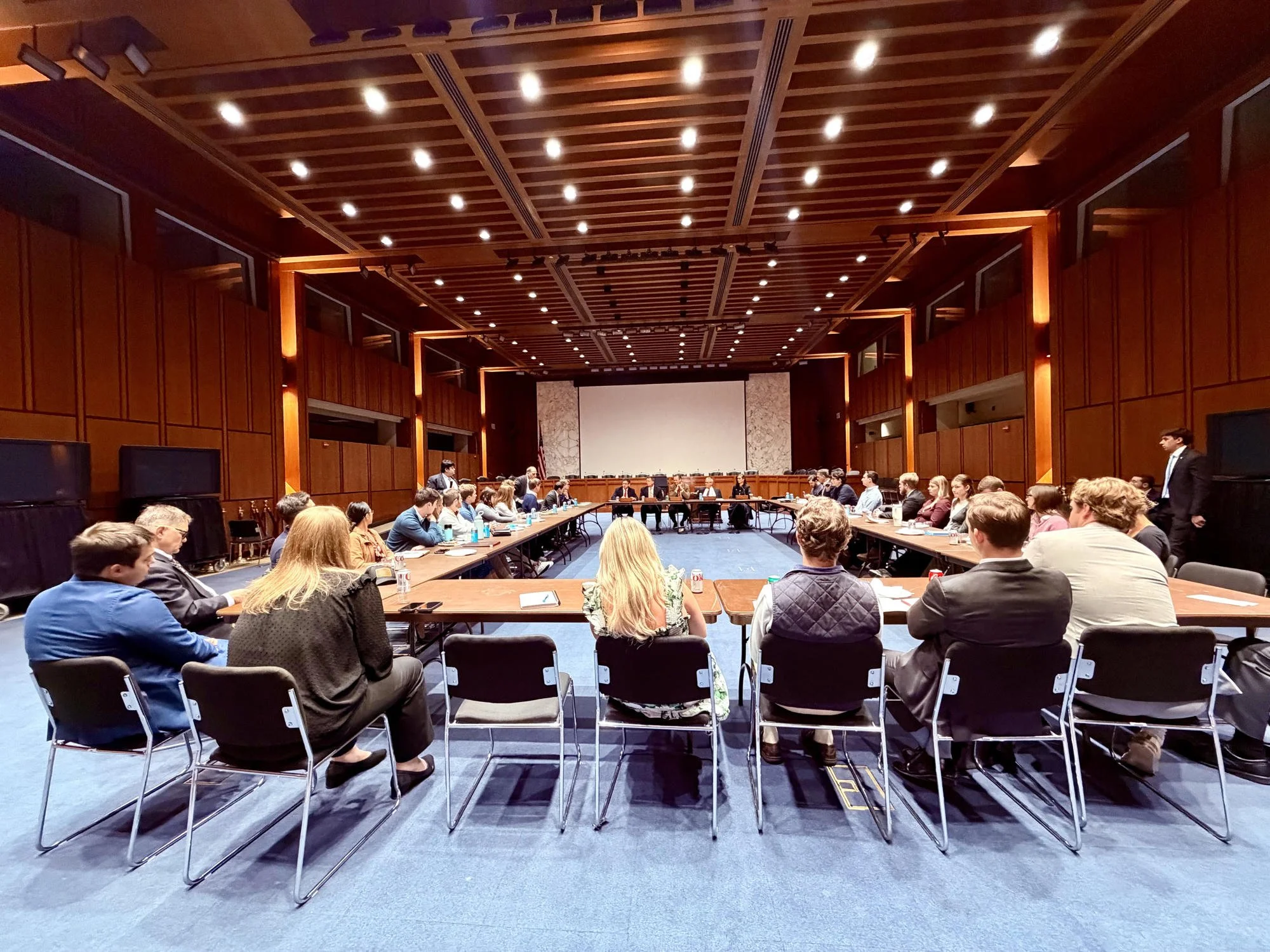
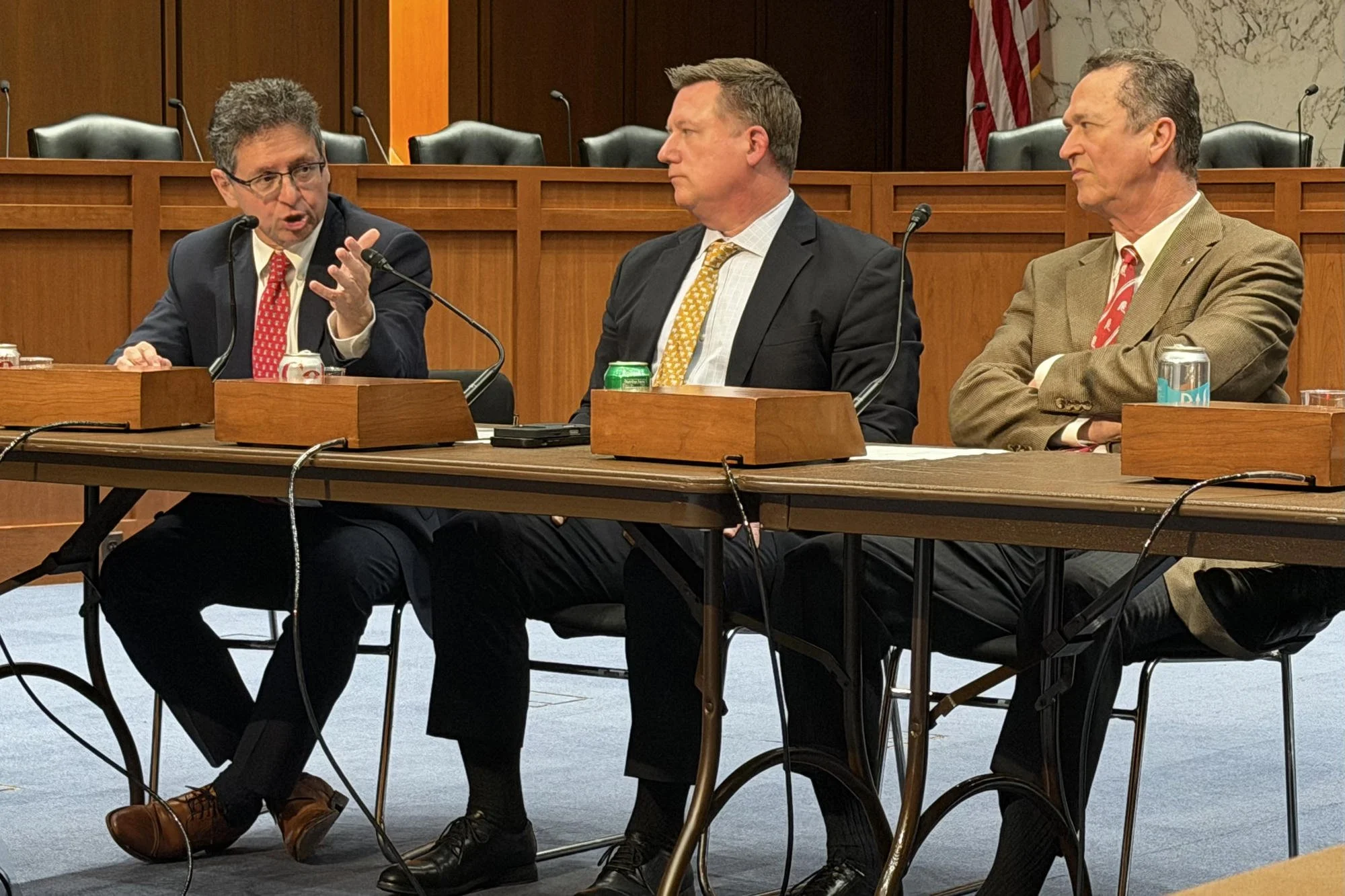
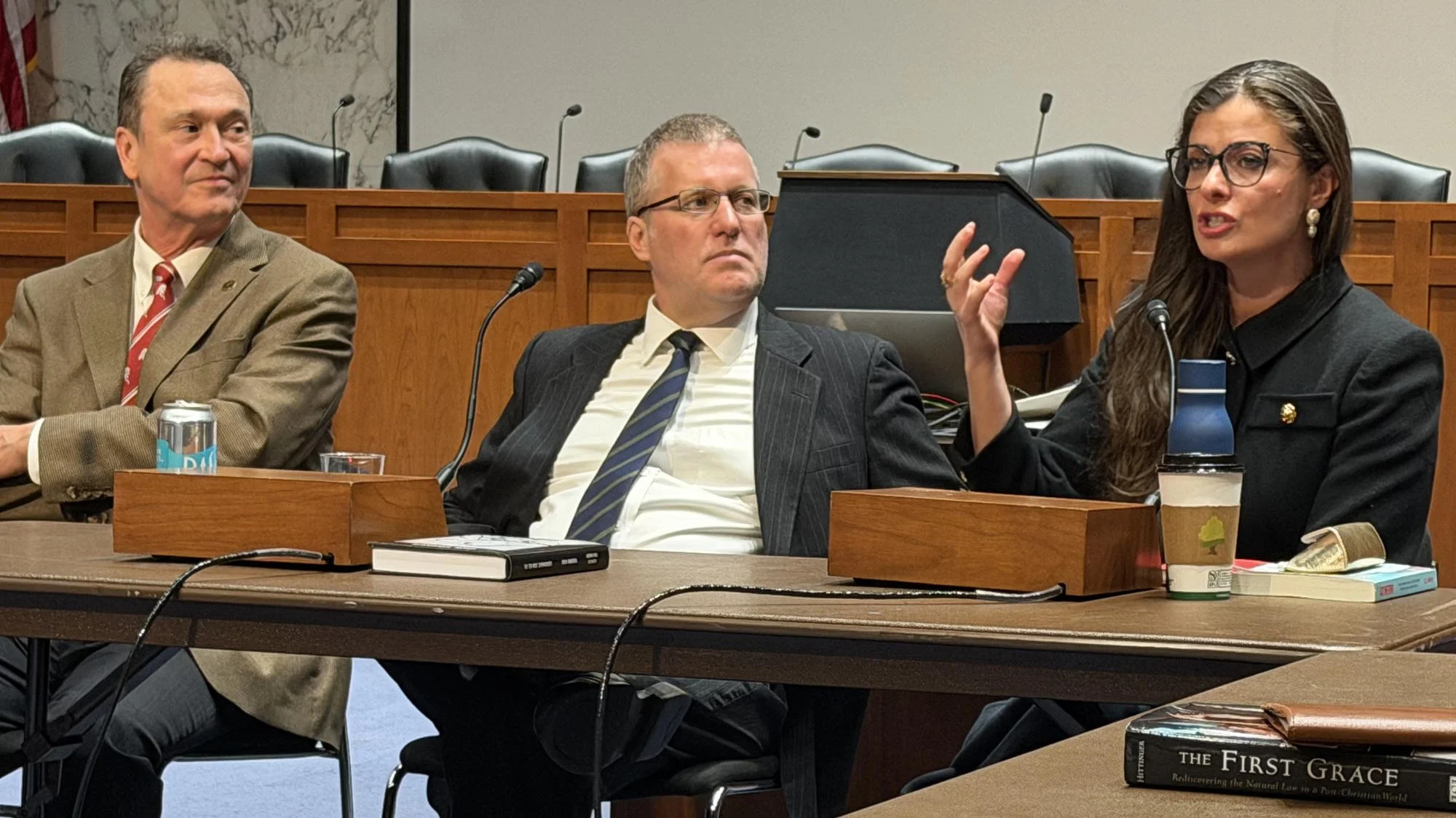
Photos from the joint BFF - Heritage Foundation October 27 Capitol Hill program.
THE BEN FRANKLIN FELLOWSHIP
Diplomacy Rooted in the Republic. In Service to America.