

The Ben Franklin Reception and Dinner on January 15th, 2027
Oren Cass to Keynote BFF Annual Gala
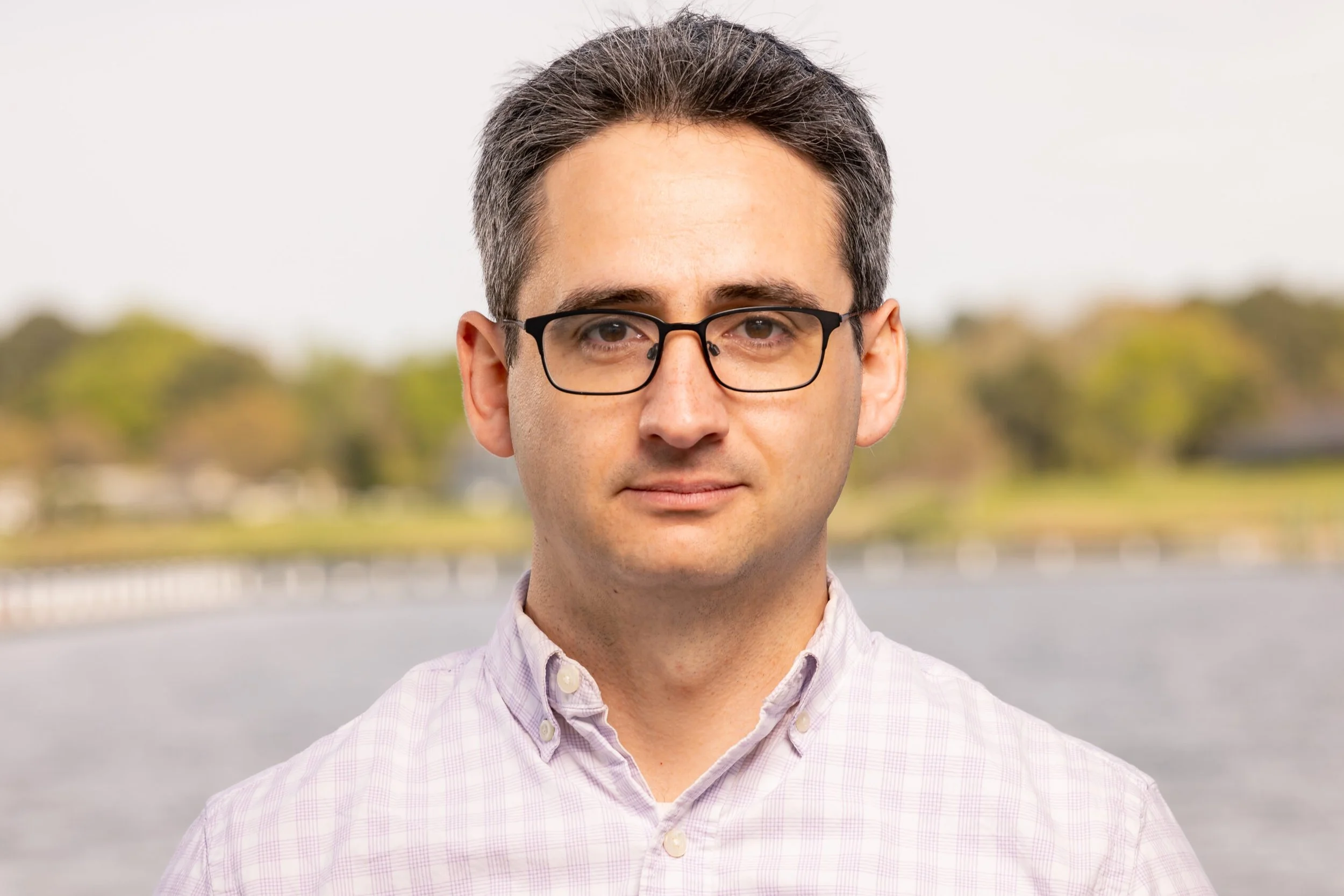
We are proud to announce that Oren Cass will keynote our third annual Ben Franklin Reception and Dinner on January 15, 2027 at the Washington Mayflower Hotel. Mr. Cass is Founder and Chief Economist of American Compass, where he develops an economic agenda centered on American workers, domestic industry, and national strength. His ground-breaking essay in Foreign Affairs, “A Grand Strategy of Reciprocity,” explains how wise U.S. diplomacy can effectively make access to American markets, security guarantees, and other international engagement conditional on reciprocal treatment and greater burden-sharing by allies and trading partners.


BFF Videos on YouTube
Introducing the Ben Franklin Fellowship
Featured Articles
-
Reforming U.S. Foreign Aid: Restart the Chainsaw or Redirect the Spigot?
The Ben Franklin Fellowship and The Heritage Foundation Convene Foreign-Policy Experts on Capitol Hill to Examine the Future of American Foreign Assistance
WASHINGTON, D.C. | October 27, 2026
On October 27, The Ben Franklin Fellowship and The Heritage Foundation convened a timely policy discussion at the Hart Senate Office Building examining the future of American foreign assistance following the Trump administration's sweeping restructuring of the U.S. Agency for International Development (USAID).
Titled “Reforming U.S. Foreign Aid: Restart the Chainsaw or Redirect the Spigot?”, the program explored a fundamental question: Does dismantling USAID represent lasting reform, or will longstanding problems involving accountability, transparency, effectiveness, and institutional priorities simply continue through other government agencies and international organizations?
Moderated by BFF Chairman Phillip Linderman, the discussion featured four distinguished Ben Franklin Fellows: Dr. Emily Brearley, Simon Hankinson, Brett Schaefer, and Max Primorac. Drawing on their extensive experience in foreign policy, international development, immigration, and government oversight, the panelists examined the challenges and opportunities confronting American foreign assistance.
The discussion addressed several critical issues, including reforming the World Bank and other international financial institutions; strengthening oversight of U.S. taxpayer funding distributed through United Nations agencies and nongovernmental organizations; preventing foreign assistance from facilitating illegal immigration; and advancing more effective approaches to humanitarian relief, global health, trade, and private-sector investment.
Throughout the program, a central theme emerged: Restructuring the federal foreign-aid bureaucracy is only the beginning. Lasting reform requires a coherent strategy, measurable results, rigorous accountability, and a commitment to ensuring that American foreign assistance advances U.S. national interests.
The Ben Franklin Fellowship is pleased to share the following detailed notes from this important Capitol Hill discussion, highlighting the principal arguments, policy concerns, and recommendations presented by each of our four panelists.tion goes here
-
Congressman Meeks Discovers Meritocracy—But Where Was He During DEI?
Congressman Gregory Meeks (D-NY) has suddenly discovered the importance of meritocracy at the State Department.
In an October 29 letter to the State Department's Inspector General, Meeks and Congressman Robert Garcia (D-CA) demand an investigation into allegations of political favoritism in Foreign Service hiring, promotions, and assignments. Their letter singles out the Ben Franklin Fellowship (BFF), suggesting that its members receive preferential treatment in the career Foreign Service.
That allegation deserves a firm rebuttal.
-
Ambassador Burns’s DEI 2.0: Where Is the Commitment to Meritocracy?
In recent public remarks to the American Foreign Service Association (AFSA), Ambassador Nicholas Burns called for reviving “diversity, equity, and inclusion” (DEI) at the State Department. “I hope we go back to a more rational way of recognizing that diversity inclusion is a strengthening element in a government institution like the State Department,” he declared. Conspicuously absent was any acknowledgment of the damage that DEI inflicted on meritocracy in hiring, promotions, and assignments under the Biden administration.
Burns insists he rejects quotas and that the DEI program he oversaw at Mission China gave no group preferential treatment. In effect, he proposes a sanitized DEI 2.0—one supposedly free of preferences, quotas, and predetermined outcomes.
But this “DEI light” strains credibility. Simply honoring the rich and varied heritages that make up modern American society is hardly controversial. The real dispute concerns the radical equity agenda, and Burns knows it. Most Americans—and a growing body of federal court rulings—reject identity-based preferences and insist that individuals be judged on merit.” It is the Dr. Martin Luther King Jr. standard. We have plenty of diversity. Let’s have some unity.

Explore our principles
The Ben Franklin Fellowship is a unique foreign affairs community — putting America's national interest first in U.S. diplomacy and international affairs.
Connect With Us
Let us know if you would like to join the Ben Franklin Fellowship and receive email information about our activities. Please tell us something about your foreign policy experience, particularly if you are currently in the Department of State or other U.S. government service. Also notify us if you would like to meet in person with a BFF representative.